Meet the Shark of the OR!
Smarter Patient Positioning
If a patient needs to be placed on their side during surgery (aka lateral positioning), the Shark system from BoneFoam is a huge step up from the old way of doing things. It is all about keeping you snug, secure, and properly supported throughout your procedure. It looks rigid but is actually soft, cradling your shoulder in a neutral, protected position without needing a lot of tape, which helps reduce pressure points and keeps the nerves in that area safe.
It also allows easy access for IV lines throughout the case, so the team can care for you without disruption. Positioning like this means you are set up for the safest, most comfortable experience possible before we even begin. We also had some fun with a Shark Week video to celebrate; check it out!!
Facet Arthropathy
From Least to Most Invasive Options, Step by Step
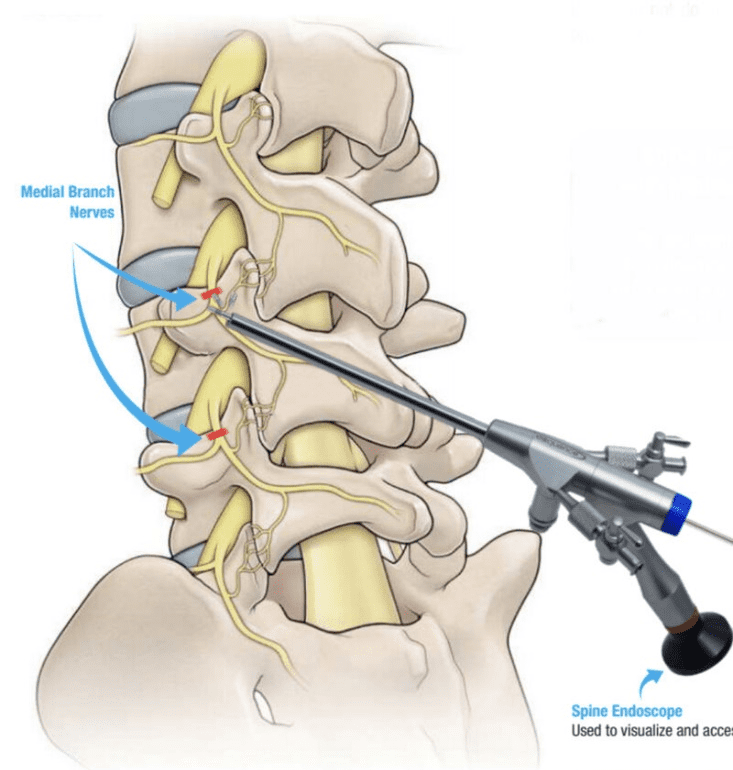
If you have been diagnosed with facet arthropathy, I would start with the least invasive treatment and ramp up only as needed. Just like in the knee or shoulder, the first step is often a steroid injection to decrease inflammation. If that does not work, the next step is radiofrequency ablation (RF), which deadens the small pain nerves feeding the joint, and this can work well.
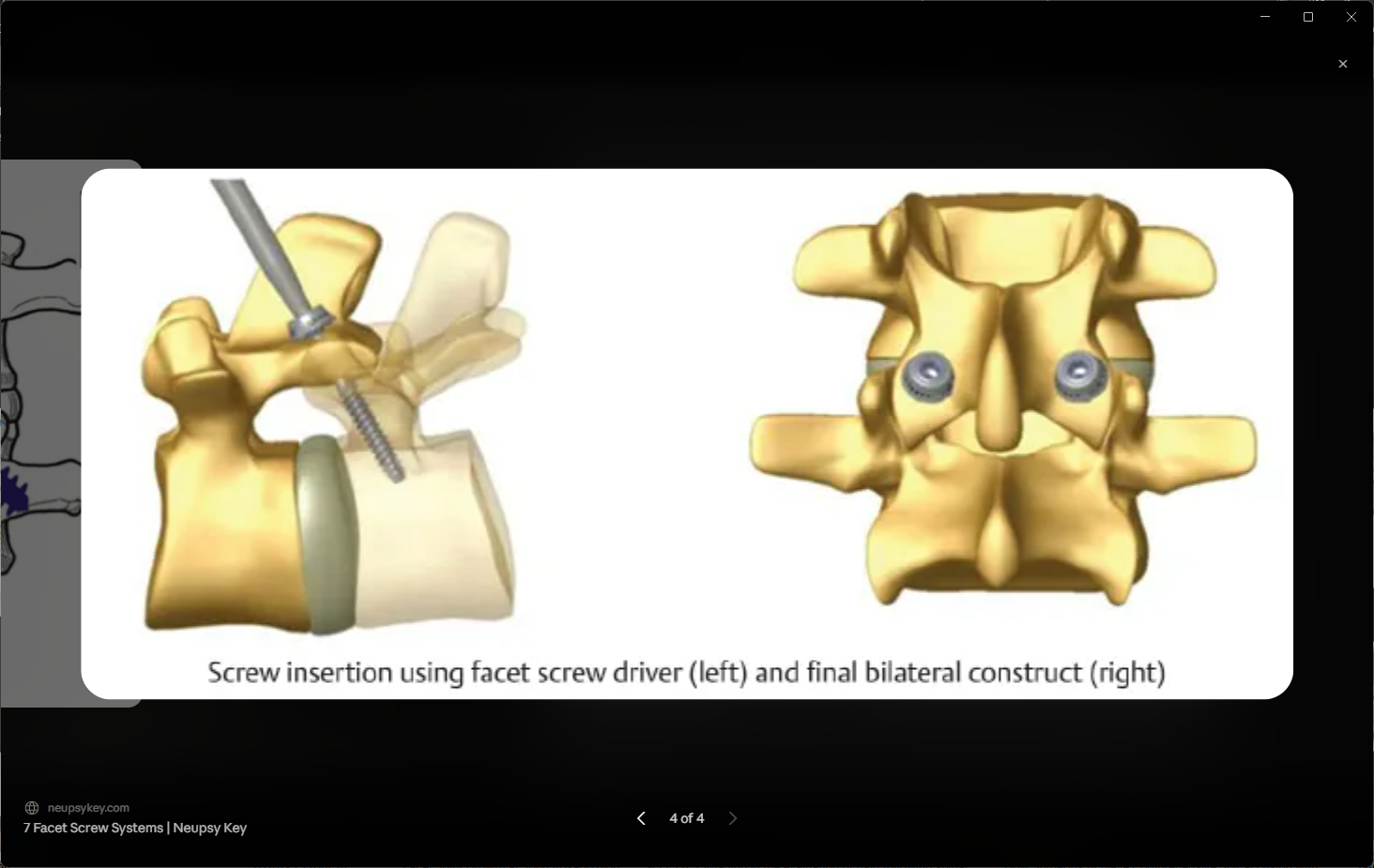
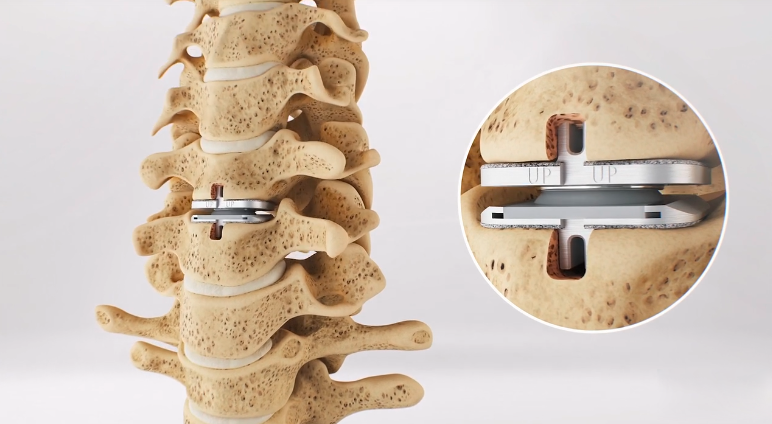
If THOSE do not work, the options become more involved: a facet fusion, an endoscopic facet rhizotomy (cutting the nerve directly under direct visualization), or in some cases a bigger reconstruction addressing the whole motion segment, meaning the disc and both facets, which a larger fusion accomplishes. Another option is disc replacement, which preserves motion while restoring height at the same disc level, taking pressure off the arthritic facet joint and essentially unloading it. It really depends on the patient which option makes the most sense.
Which Solutions are Permanent?
Disc replacement and fusion are the treatments I would consider truly permanent. Radiofrequency ablation can also provide relief so long lasting it becomes effectively permanent for patients who were already close to improving on their own, since the body is always healing itself.
Degenerative Scoliosis
Avoiding a Multi-Level Fusion
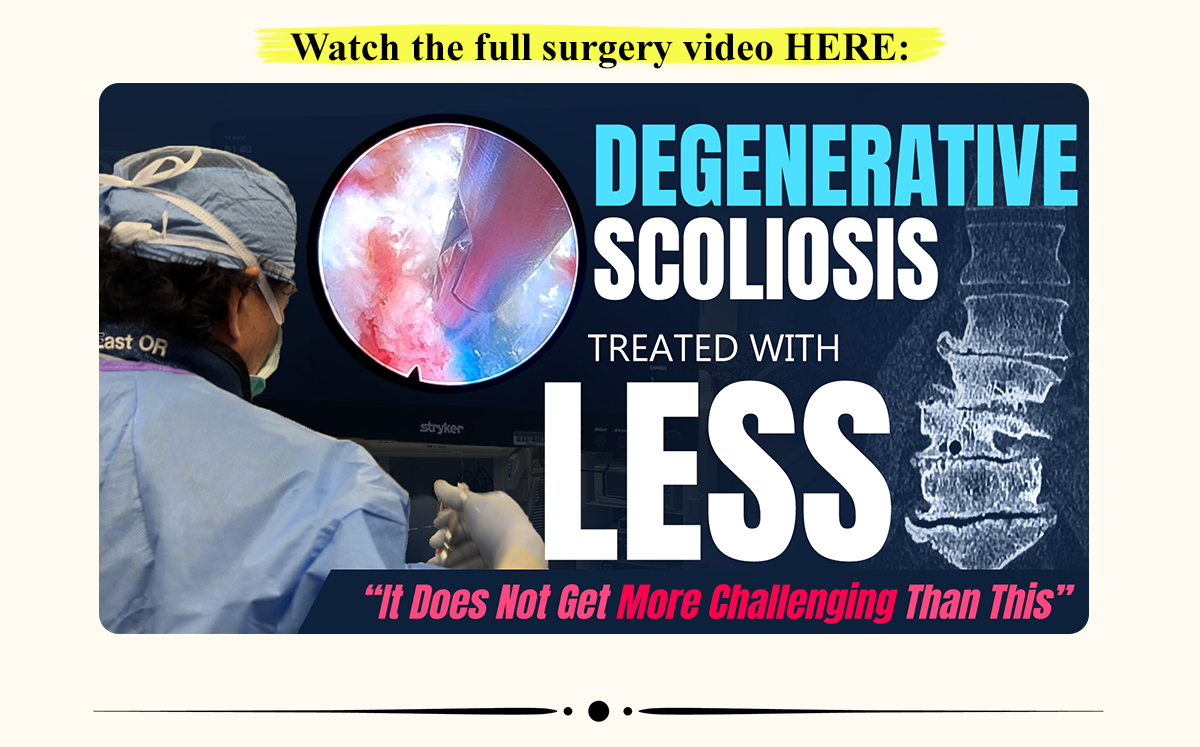
Degenerative scoliosis is a sideways curve in the spine that develops later in life, from the discs and joints wearing down over time. If you have been told you need a multi-level fusion with screws and rods for this, I want you to know a less invasive alternative exists. When the spine curves and collapses on one side, the small opening where a nerve exits the spine narrows from bone spurs, irritating and tethering it.
For this patient, instead of jumping straight to fusion, I did a very careful, meticulous foraminotomy to make more room for the nerve without destabilizing the spine, using the laser to remove bone precisely without disturbing the surrounding structures. This can help avoid a fusion. I do this through the endoscope, meaning just a little poke hole and tiny incisions and delicate Asian fingers!
SI Joint Fusion
How I Diagnose and Two Surgical Approaches
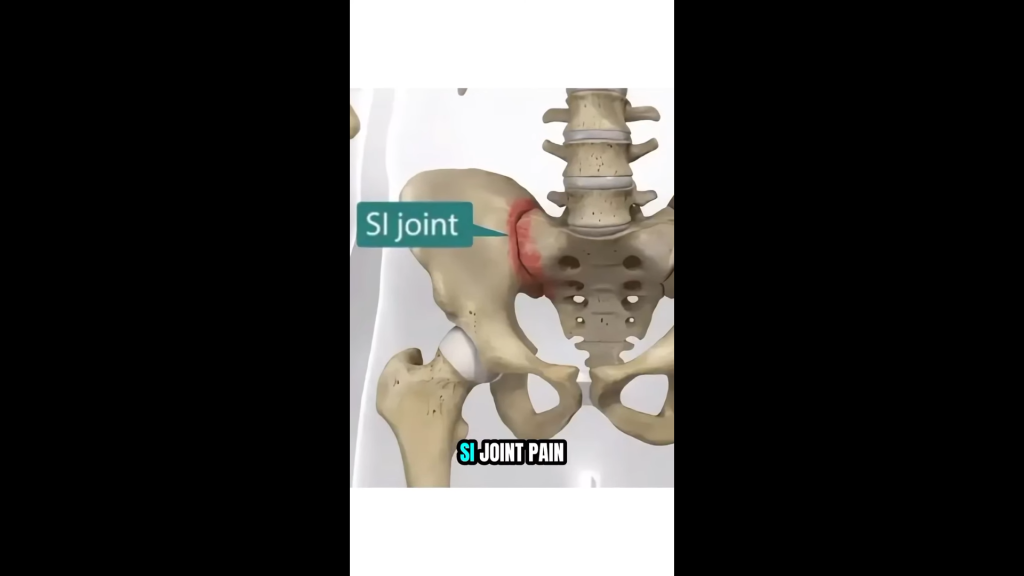
The sacroiliac (SI) joint is where your lower spine connects to your pelvis, on either side of your lower back. If you have isolated SI joint pain that keeps coming back, fusion may be an option worth understanding. Diagnosis is straightforward: an injection directly into the joint that gives temporary relief points to the SI joint as the source.
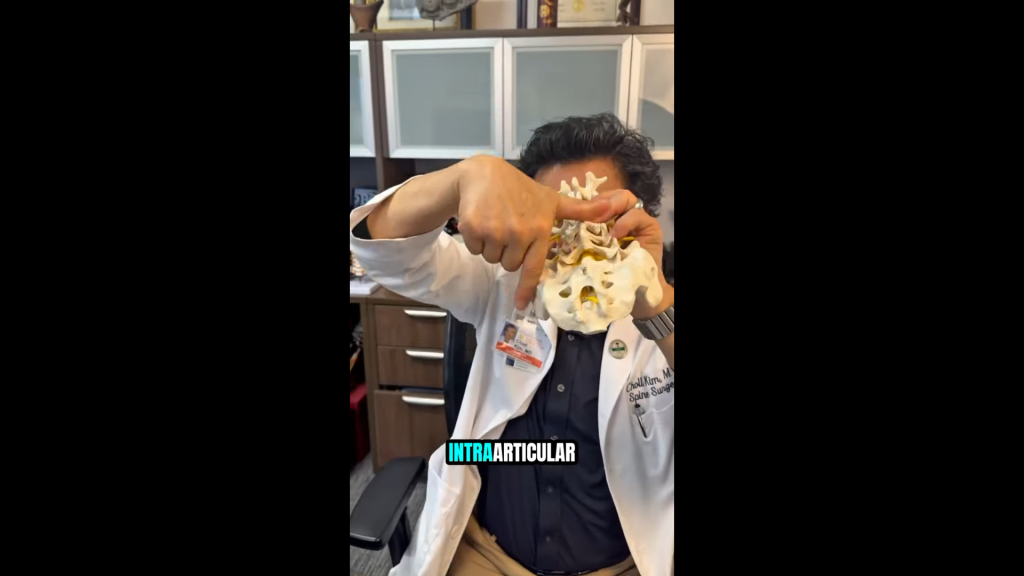
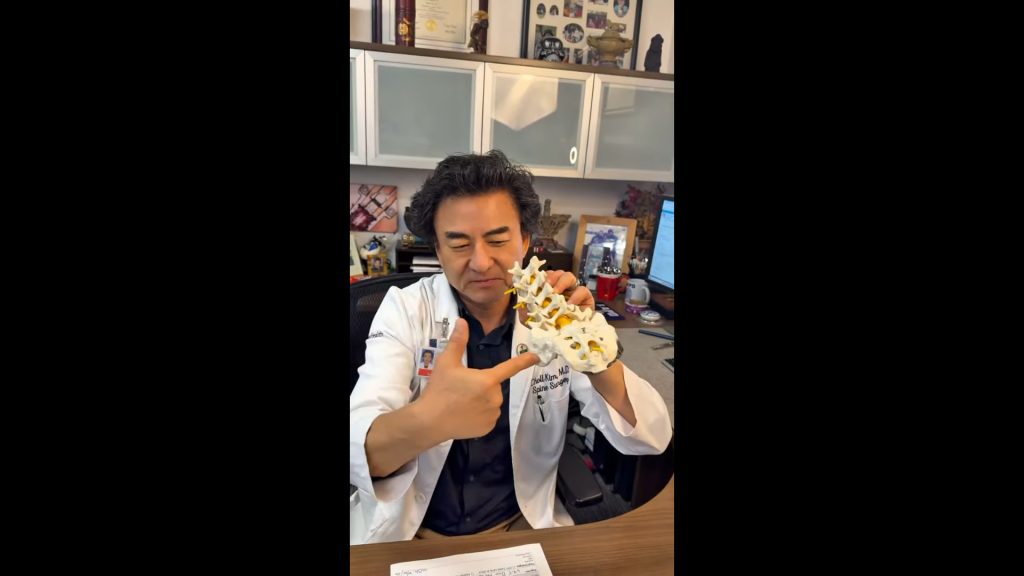
There are two ways I approach fusion. Transarticular means going straight across the joint from one side to the other, which I tend to use since it lets me place two to three big bolts for a more robust result. Intra-articular means placing an implant within the joint itself, which for frail patients or those with really good bone stock offers a less invasive option, though not as rigid.