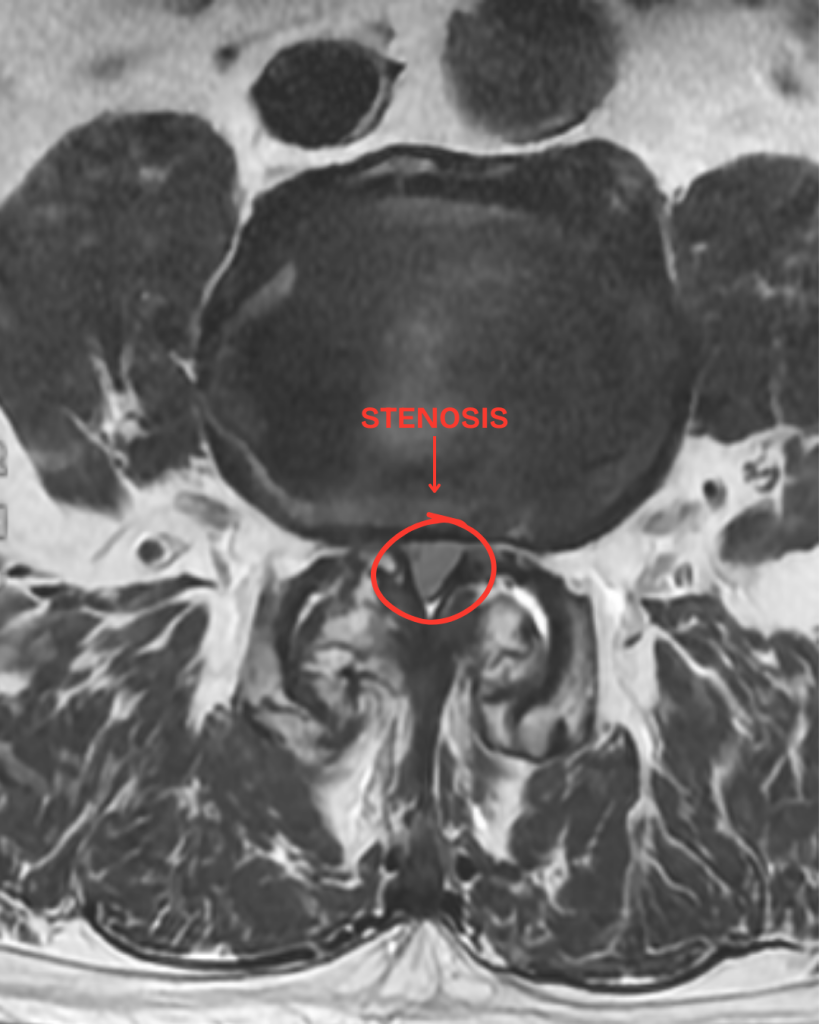
As we age, our spines naturally change. For some people, those changes lead to spinal stenosis a narrowing of the spinal canal that can put pressure on the spinal cord or nerves. It’s a common cause of back and leg pain in older adults, but with the right care, symptoms can be managed effectively.
What Is Spinal Stenosis?
Spinal stenosis happens when the spaces within the spine shrink, often due to:
- Arthritis and bone spurs
- Bulging or herniated discs
- Thickened ligaments
- Age-related wear and tear
Common Symptoms
The hallmark symptom is neurogenic claudication leg pain, weakness, or heaviness that worsens with walking or standing and improves when sitting or leaning forward. Other symptoms may include:
- Numbness or tingling in the legs
- Lower back pain
- Difficulty with balance
- In severe cases, bowel or bladder changes (a red flag requiring immediate care)
How Spinal Stenosis Is Diagnosed
Your doctor may use a combination of physical exams and imaging (MRI, CT, or X-ray) to confirm spinal stenosis and determine its severity.
Treatment Options
- Lifestyle modifications: Walking, low-impact exercise, and posture adjustments
- Physical therapy: To strengthen muscles that support the spine
- Medications: Anti-inflammatories for pain relief
- Epidural steroid injections: To reduce nerve inflammation
- Minimally invasive surgery: When conservative care isn’t enough, procedures like decompression or endoscopic spine surgery may provide lasting relief.
The Bottom Line
Spinal stenosis may sound intimidating, but it doesn’t have to stop you from enjoying life. With today’s advanced treatments, many patients regain mobility and reduce pain—sometimes without surgery.
Not sure if spinal stenosis is the cause of your pain? We offer FREE MRI reviews to help you understand your condition and explore the best treatment options for you.